


Parasites, once settled in the human body, strive to access vitamins and nutrients, while releasing toxins.Symptoms of parasitic infestations are not always specific;They can be confused with the manifestation of other diseases.
Common signs in this case: weakness, excessive fatigue, loss or increase in appetite, severe hunger attacks, muscle pain and digestive disorders.
Other manifestations of the presence of worms will be various allergic reactions in the form of skin rashes, itchy dermatosis, eczema, reduced hemoglobin levels, immune defense, increased incidence of viral and bacterial diseases, causeless anxiety, disorders of the nervous system and sleep disturbances.When a child is sick, he or she may develop the following symptoms:
- weight loss;
- delay in the rate of intellectual and physical development;
- attacks of headaches.
If the above symptoms are detected, you cannot start self-treatment: this is dangerous to health, and there is also a possibility that the disease is not related to worms.
enterobiasis
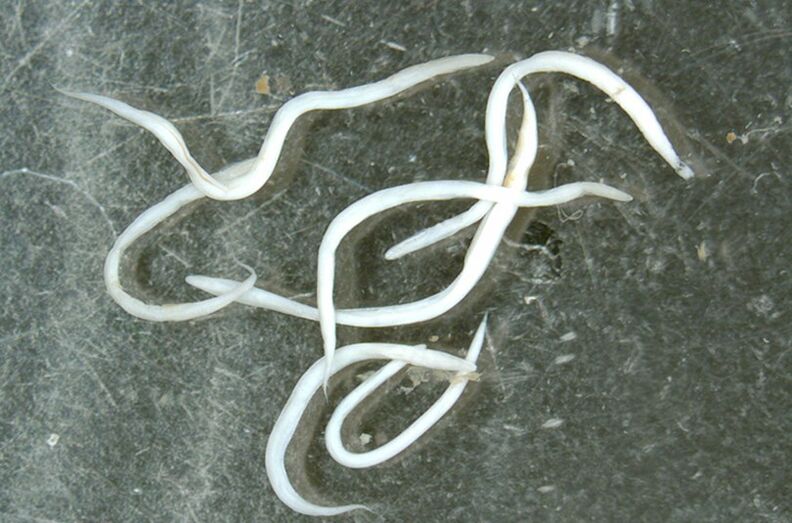
The cause of this disease will be pinworms, small white worms.They are called the most common helminth infections in many developed countries of the world.Most often, helminths are diagnosed in children of preschool and primary school age.
Pinworms live in the human large intestine.When the patient sleeps, the female parasite exits the patient through the anus and begins to lay eggs on the skin near the anus.After a few hours, the worms may become capable of infecting another person.
Eggs can be stored in underwear, bedding, clothing, and toys for up to 14 days.If a person does not follow the rules of personal hygiene, he can easily become infected with pinworms.
The main symptoms of enterobiasis are itching near the anus, which usually occurs in the afternoon and evening.When the infestation is weak, the patient may not notice its signs;With an increase in the number of parasites, the itching becomes so painful that the patient can scratch the skin until it bleeds, and the affected areas become painful and inflamed.
In young children, the characteristic manifestations of enterobiasis will be:
- sleep disturbance;
- Bad mood;
- irritability;
- enuresis.
If treatment is not given, the symptoms worsen.
ascariasis
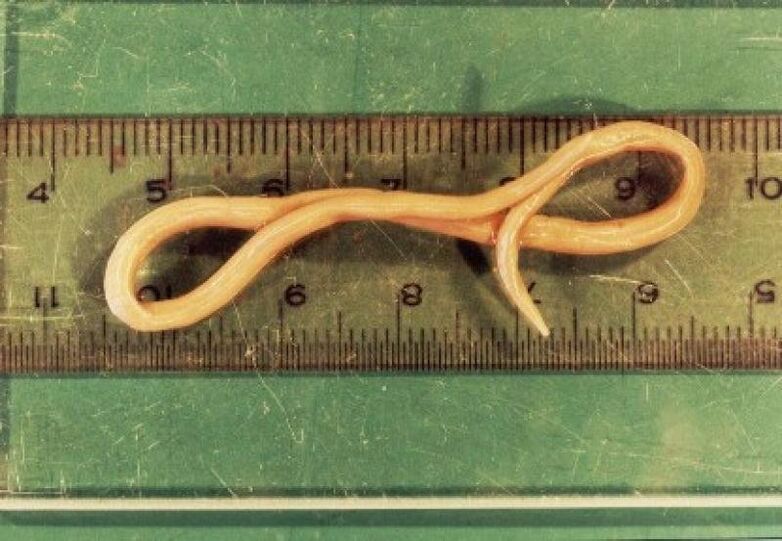
Ascaris is a roundworm that reaches between 15 and 40 cm in length.The female parasite lays eggs in the intestinal lumen, from where they enter the environment and soil and are excreted in feces.Infection is facilitated by the consumption of contaminated fruits, vegetables and drinking water.This disease is more typical of children between 5 and 10 years old.
From the moment of infection until the first symptoms appear, it usually takes about 2-3 weeks.Initially, ascariasis occurs in the form of an allergic disease.
In preschool children, the acute phase will begin with an increase in body temperature to 37-37.5 degrees, skin rashes, intestinal discomfort, abdominal pain and nausea.
When the parasitic infestation becomes chronic:
- the child complains of periodic pain around the navel;
- your appetite decreases;
- The stool becomes unstable and sometimes there is constipation.
Antiparasitic and symptomatic treatment is indicated.
giardiasis
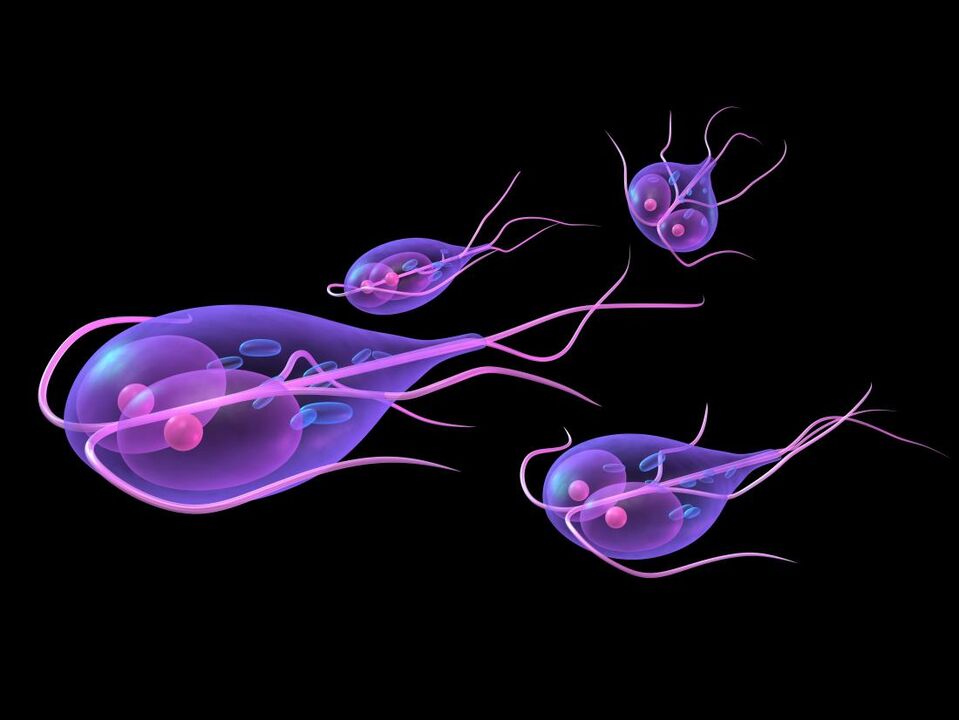
Giardia worms are protozoa;At the front of its body there is a suction disc that helps hold the walls of the intestinal epithelium.The parasite does not have a mouth;It feeds on dissolved nutrients.The incubation period of the disease lasts 7 to 20 days.
Parasitic infestation begins acutely;a person experiences watery stools with an unpleasant odor and traces of fat.After this, pain occurs in the abdominal cavity, belching appears, appetite decreases, and vomiting and nausea may occur from time to time.
The initial stage lasts up to 7 days;In many cases, all symptoms of the invasion disappear spontaneously after 1 to 4 weeks.
When a blastocyst invasion is detected, it can cause discoloration of the stool and the appearance of streaks of blood and mucus in it.Symptomatic treatment is also required.
toxocariasis
Toxocara are large dioecious helminths that reach 18 cm in length.The average duration of its life cycle is 4 months and the maximum is six months.The main source of infection is dogs, usually puppies.A person will get sick after:
- direct contact with a sick animal;
- enter the mouth soil containing parasite eggs.
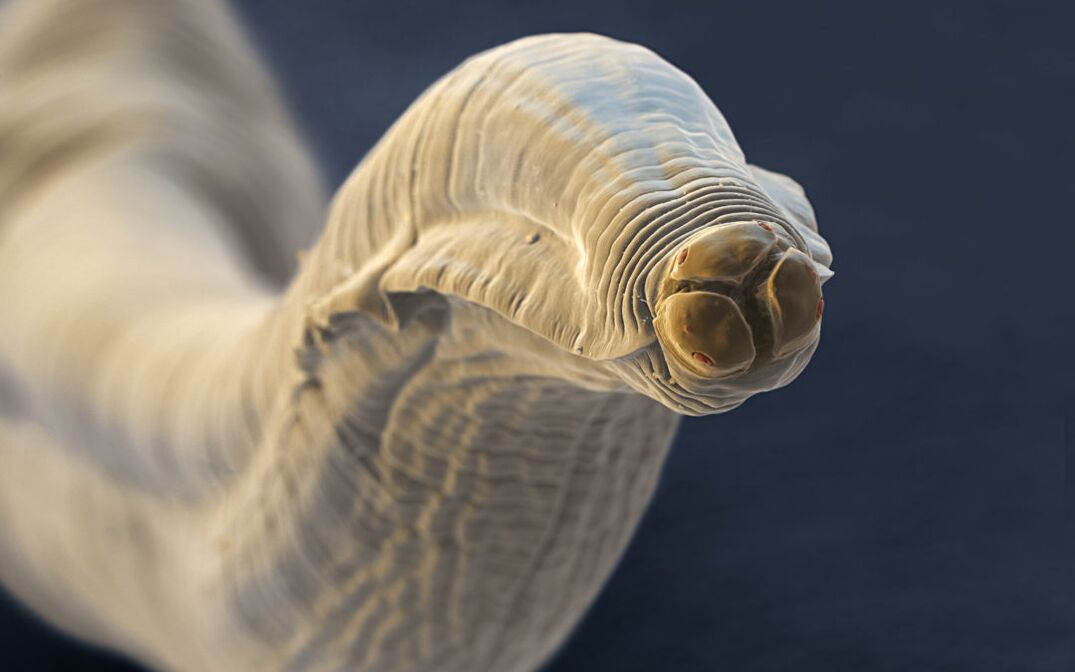
Children are susceptible to infection while playing with a dog or in the sand, and adults as a result of household contact with an infectious animal (dog breeders, veterinarians, utility workers).Another common cause of toxocariasis is eating raw or poorly processed meat.
These parasitic infestations can appear suddenly or after a temporary illness.Signs of invasion in this case: increased body temperature, itchy skin rashes, significant enlargement of lymph nodes.
Mild fever with prolonged invasion may persist for several months.If the stage of the disease is acute, the person experiences symptoms of bronchitis, pneumonia, and severe asthma attacks.
Signs of infection in a sick child: body weakness, fatigue, sleep disturbances and unusual excessive nervousness.If there is no adequate and timely treatment, toxocariasis becomes the cause of serious and dangerous complications:
- hepatitis;
- damage to the retina;
- pathologies of the nervous system;
- allergic reactions.
When treatment is performed correctly, the prognosis is always favorable.
Prevention methods
The main ways to prevent parasitic infestations will be:
- strict compliance with personal hygiene rules;
- drink only boiled water, well-washed vegetables and fruits;
- eat fresh meat, sufficiently fried and cooked.
It is equally important to teach the child not to eat food from the floor, not to put dirty objects in his mouth, and it is also necessary to deworm pets in a timely manner.Doctors also recommend not allowing children to play in open sandboxes, as these places often serve as bathrooms for dogs and cats.
You should know that there are some medicinal plants that can increase the body's resistance to helminthic infestations, neutralize toxins and eliminate signs of the disease.These plants include black walnut, wormwood, grapefruit, pumpkin seeds, and cloves.This treatment is available to everyone, has a general strengthening effect and does not cause adverse reactions in the body.